
1. The MyMirror Standardized Skincare Risk-o-Meter Scale
To evaluate barrier repair products objectively, MyMirror applies a concrete 4-tier standardized Compatibility & Risk Scale:
Same Time & Routine
Actives complement each other perfectly when layered together.
Same Routine (AM/PM)
Safe in daily routine, split between morning and evening.
Alternate Days Only
High cumulative irritation risk. Alternate nights with buffering.
Do Not Mix at Same Minute
Direct chemical oxidation deactivation & chemical burn risk.
Ceramides + Hyaluronic Acid Rating: 🟢 LEVEL 1 (Highly Synergistic Barrier Pair)
Ceramides and Hyaluronic Acid demonstrate 100% barrier repair synergy. Hyaluronic Acid attracts 1,000x its weight in water to hydrate epidermal cells, while Ceramides construct the intercellular lipid seal that prevents water from evaporating.
2. Biological Chemistry: Humectants vs Intercellular Lipid Bricks
The human stratum corneum operates like a "brick-and-mortar" barrier structure. Dead corneocyte cells are the bricks, while intercellular lipids (50% Ceramides, 25% Cholesterol, 15% Free Fatty Acids) form the protective mortar:
Hyaluronic Acid (Humectant Water Sponge)
Hyaluronic Acid (HA) is a glycosaminoglycan humectant capable of binding up to 1,000 times its molecular weight in water. When applied to damp skin, HA swells the stratum corneum with moisture, instantly softening dry flaking lines.
Ceramides (Intercellular Mortar Seal)
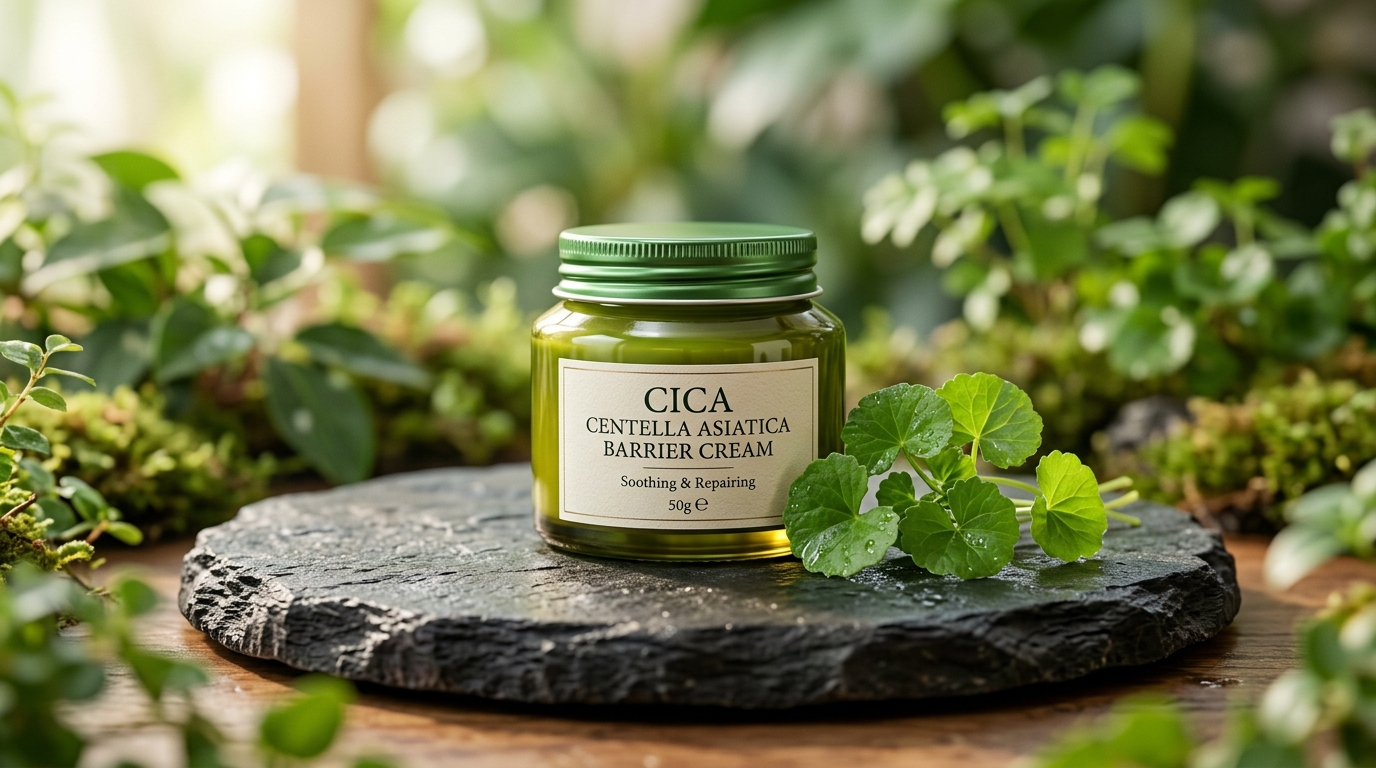
Ceramides are long-chain sphingolipids that physically seal the gaps between skin cells. Without Ceramides, water molecules bound by Hyaluronic Acid rapidly escape into the air via Transepidermal Water Loss (TEWL), leaving the skin drier than before (read our Cica Barrier Cream Guide).
3. Functions, Pros & Cons: Ceramides vs Hyaluronic Acid
Compare the biological mechanism, benefits, and drawbacks of both active ingredients:
Ceramides (NP, AP, EOP)
Primary Function: Essential skin lipids that repair stratum corneum intercellular mortar and stop TEWL water loss.
- ✓ Stops retinoid & acid stinging immediately
- ✓ Non-comedogenic natural skin lipid structure
- ✓ Rebuilds moisture barrier over 14 days
❌ Cons: Heavier cream textures require proper formulation for ultra-oily skin types.
Hyaluronic Acid (HA)
Primary Function: Glycosaminoglycan humectant that draws water into epidermal cells to plumping dry skin.
- ✓ Instant hydration boost without oiliness
- ✓ Weightless gel texture for humid Indian weather
- ✓ Calms superficial dehydration flaking
❌ Cons: Does not repair lipid gaps; can cause reverse TEWL if applied to bone-dry skin without a cream sealer.
4. Curated Product Showcase Stage (Featured for India)
Explore top dermatologist-recommended Ceramide and Hyaluronic Acid products available in India:
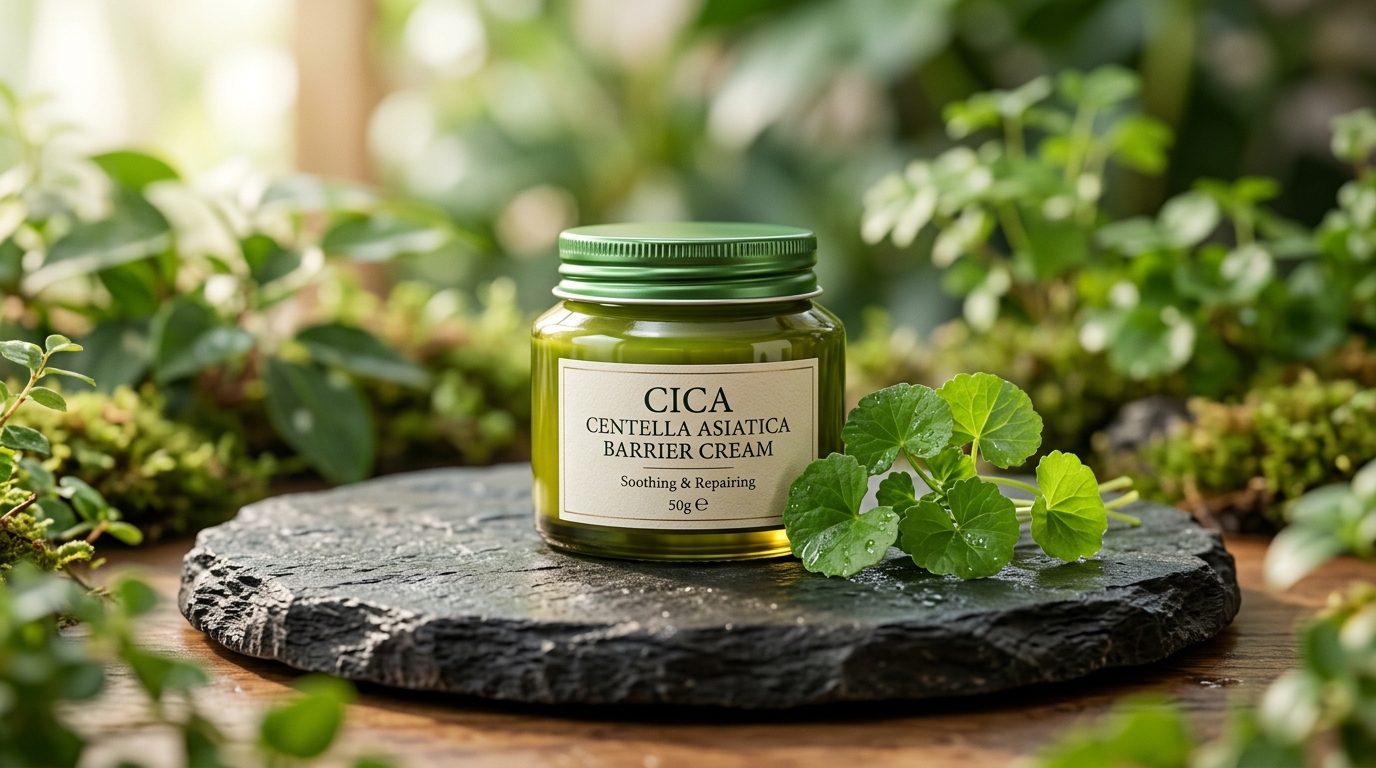
Acnemoist Cream for Acne Prone Skin
Usage Reason: Formulated specifically for Indian acne patients using Tretinoin or Benzoyl Peroxide. Delivers feather-light Ceramide hydration without clogging pores.
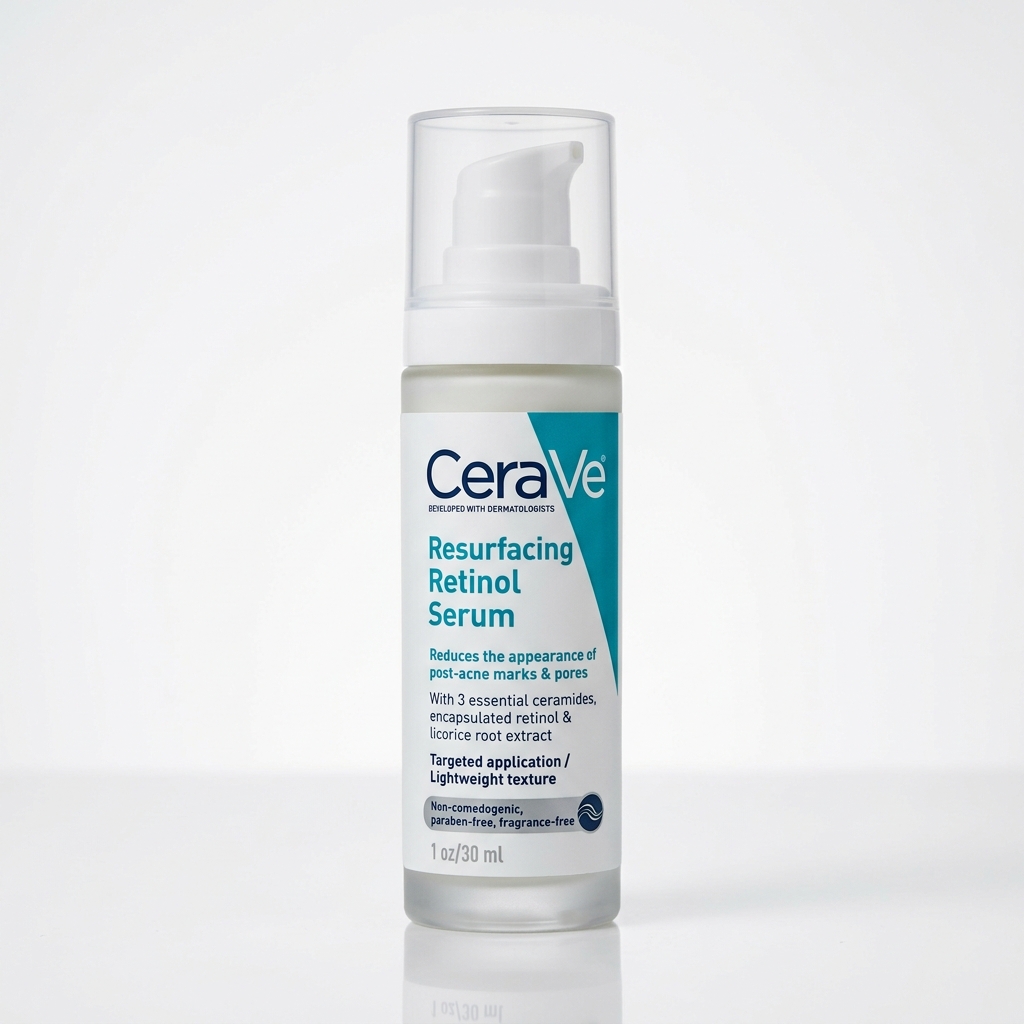
CeraVe Daily Moisturizing Lotion
Usage Reason: Features 3 Essential Ceramides (NP, AP, EOP) + Hyaluronic Acid in MVE technology for 24-hour controlled release barrier repair.

Neutrogena Hydro Boost Water Gel
Usage Reason: Pure Hyaluronic Acid water gel formulation that absorbs instantly, ideal for oil-free hydration under sunscreen in hot Indian weather.
5. 4-Step Barrier Repair Layering Protocol
To achieve maximum barrier repair without causing breakouts, follow this layering protocol:
| Routine Step | Morning (AM Routine) | Evening (PM Routine) | Barrier Purpose |
|---|---|---|---|
| 1: Cleanse | Gentle non-foaming Syndet Wash | Gentle Syndet Cleanser (No scrubs) | Preserves natural stratum corneum lipids |
| 2: Dampen Skin | Leave skin damp after rinsing | Leave skin damp after rinsing | Provides water reservoir for Hyaluronic Acid |
| 3: Layer 1 (HA) | Hyaluronic Acid Gel/Serum | Hyaluronic Acid Gel/Serum | Binds water into superficial epidermal cells |
| 4: Layer 2 (Ceramide Seal) | Ceramide Lotion + Mineral SPF 50 | Ceramide Barrier Repair Cream | Locks in water & seals intercellular lipid mortar |
6. Emergency 3-Day Skin Barrier Rescue Protocol
If your face is burning, stinging from water, or peeling severely from Tretinoin, Benzoyl Peroxide, or AHA/BHA peels:
The 72-Hour "Active Hold" Barrier Recovery Rule
1. Pause All Actives: Immediately stop all Retinoids, Benzoyl Peroxide, Salicylic, Glycolic, and Vitamin C for 3 to 5 days.
2. Wash With Plain Water: Avoid foaming cleansers. Rinse face with lukewarm water.
3. Apply Ceramide Cream 3x Daily: Slather Acnemoist Gel or CeraVe Cream generously onto damp skin.
4. Strict Mineral Sunscreen: Protect skin with 100% Zinc Oxide mineral sunscreen.
7. Frequently Asked Questions
For damaged, stinging, or peeling skin from retinoids and acids, Ceramides are essential. Hyaluronic Acid pulls water into the skin, but without Ceramides to seal the stratum corneum lipid matrix, water evaporates rapidly via Transepidermal Water Loss (TEWL).
Yes, they are 100% synergistic. Apply Hyaluronic Acid serum first onto damp skin to draw in moisture, and immediately layer a Ceramide moisturizer over top to lock in the hydration.
No. Ceramides are non-comedogenic natural skin lipids (AP, EOP, NP) that make up 50% of your skin barrier. Oily skin often lacks ceramides, causing overproduction of sticky sebum to compensate for dehydration.
Hyaluronic Acid is a humectant that pulls moisture from the environment. In dry air or air-conditioned rooms, if applied to bone-dry skin without an occlusive or ceramide sealer, HA can pull moisture out of deeper skin layers.
8. Explore Other Barrier & Ingredient Compatibility Guides
Check compatibility ratings and AM/PM protocols for other popular ingredient combinations: